Dagelijkse activiteiten
Gezondheids management
Inzichten & Analyse
Over Crono Care Coach
Help & Support
Over Crono Care Coach
With chronic conditions like long covid, COPD, asthma, or fibromyalgia, it's difficult to explain how you feel. "I'm tired" could mean anything - a 3 on a bad day or an 8 on a good day? "It was a heavy day" - but how heavy exactly?
Without a way to measure consistently, it's hard to:
That's why we use a simple but effective method in Crono Care Coach: the 0-10 scale for fatigue and intensity.
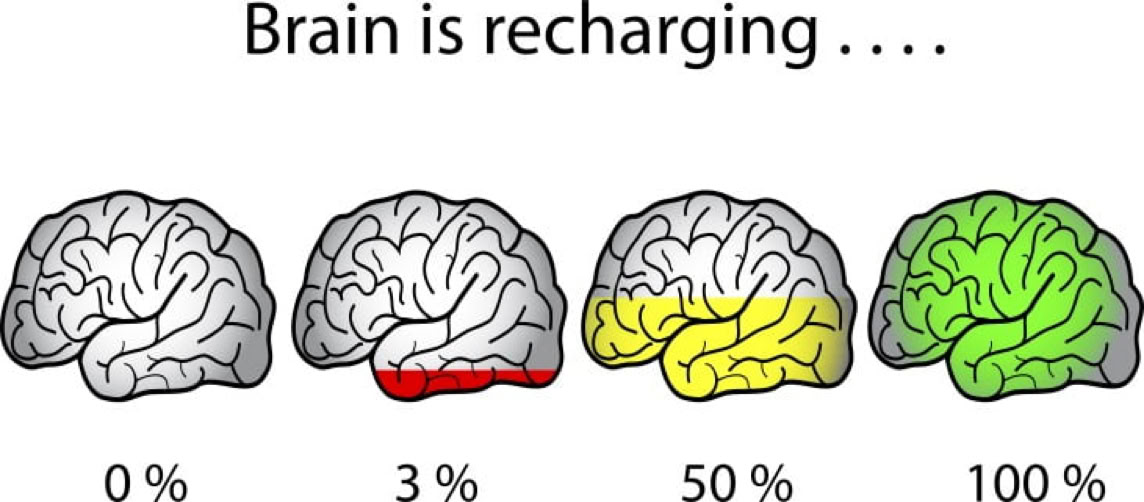
The 0-10 scale is a scientifically recognized method to measure your own experience of exertion and fatigue. The principle is simple: you assign a number between 0 and 10 to how you feel. This approach was developed in the 1960s through research into how people perceive their own bodies. It turns out that people are surprisingly good at assessing how heavy something feels to them, provided they have a clear scale.
Why does 0-10 work so well?
The app uses two scales to score your day.
These are two different measurements, and that's important:
Fatigue = how you feel
Example: You feel exhausted (fatigue 8)
Intensity = what you did
Example: Your day wasn't objectively busy (intensity 3)
Why measure both?
You can have an intensive day (score 8) but not be very tired yet (score 4) - that's actually a good day!
Or conversely: a quiet day (intensity 2) but still exhausted (fatigue 8) - that signals something else is going on (poor sleep, getting sick, emotional stress).
By measuring both you see:
A few scenarios for how you might score a day and what it means.
Intensity: 6 (busy workday, groceries, cooking)
Fatigue: 5 (quite tired but normal for such a day)
Conclusion: Good distribution, body is keeping up
Intensity: 2 (quiet day, just some reading and TV)
Fatigue: 8 (completely exhausted)
Conclusion: Something else is going on - possibly getting sick, emotional stress, or consequence of yesterday
Intensity: 9 (very busy day with many activities)
Fatigue: 9 (completely exhausted)
Conclusion: Overdone it, need extra rest tomorrow
Intensity: 4 (normal day)
Fatigue: 3 (slightly tired)
Conclusion: Body is recovering well, energy is there
For people with chronic conditions, objective measurement is extra valuable because:
A scale is only useful if you use it consistently. Crono Care Coach makes this practical with the Score Your Day feature.
Every day you give two numbers:
Fatigue: How tired do you feel? (0-10)
Intensity: How heavy was your day? (0-10)
This literally takes 10 seconds, but provides valuable insights over time.
See patterns
"I'm always extra tired on Wednesday" - perhaps because Tuesday is your busiest day?
Identify triggers
"In bad weather I consistently score higher on fatigue, even when my intensity was low"
Track recovery
"After a heavy day (intensity 8) it takes 2 days before my fatigue is normal again"
Measure medication effect
"Since new medication: same intensity, lower fatigue"
Communicate with numbers
"Last week average fatigue 7, this week 4 - things are improving"
Be honest with yourself
Use reference points
Score at fixed times
Think about the whole day
Score both independently
The scale helps enormously with communication:
Important to know:
The goal is not perfection, but insight into your own patterns.
This 0-10 measurement method is based on scientifically recognized principles of subjective perception measurement, as developed by Dr. Gunnar Borg in the 1960s. The original Borg RPE® (Rate of Perceived Exertion) scale is a registered trademark of BorgPerception AB and can be found at borgperception.com.
Crono Care Coach uses an adapted 0-10 scale for fatigue and intensity, inspired by this proven methodology but not identical to the standardized Borg scales. The descriptions in this article are interpreted based on general scientific principles and practical experience.
For medical advice, always contact a healthcare provider

This website uses cookies. See our privacy policy for details.