Dagelijkse activiteiten
Gezondheids management
Inzichten & Analyse
Over Crono Care Coach
Help & Support
Over Crono Care Coach
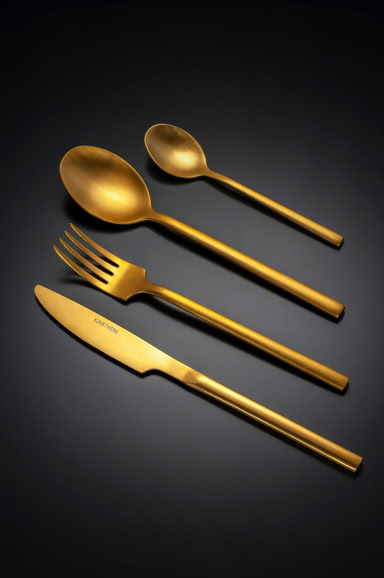
The spoon theory is a powerful metaphor to explain what it's like to live with a chronic condition. It was created in 2003 by Christine Miserandino, who has lupus, when she tried to explain to a friend why she was sometimes so exhausted.
Christine was sitting in a restaurant with a friend who asked: "What does it feel like to be sick?" Christine grabbed all the spoons from the tables around them and gave them to her friend. "These are your spoons for today," she said. "Every time you do something, you give me a spoon back. When your spoons run out, you're done for the day."
Everyone wakes up with a certain amount of energy (spoons) per day. However, for healthy people, when you get tired, you can rest and then you can continue. Unfortunately, for people with a chronic condition it's different. You start with a more limited amount of energy (and therefore a more limited number of spoons). And just resting is not enough for recovery. When you run out of energy, you're exhausted and you're recovering (for longer). That really takes time.
And with a chronic condition, the number of spoons also varies, depending on many different causes.
An example of the spoon theory in practice and how you can deal with it through planning and timing (very important with chronic conditions).
We all have to do weekend grocery shopping. Suppose you do these groceries on Saturday. Then you lose about 5-6 spoons. Because you're in a busy store with many people (waiting at the cooling section, choice stress at the pasta), looking for a parking space (stress costs a lot of energy), navigating between carts, and long lines at the checkout. In other words, you easily lose 5-6 spoons of energy.
But... if you now do grocery shopping on Friday morning, it's much quieter, easier parking, less waiting at the checkout (perhaps even less stress from others who have to do groceries). Then it only costs you 1 to 2 spoons of energy.
If you only have ten spoons with a chronic condition, you've lost more than half for that one activity on Saturday. And then you still have to get dressed, eat (and possibly shower), also spoons of energy. Then you really have nothing left for the rest of the day.
It's not just about physical exertion. With chronic conditions, processing stimuli (sound, light, crowds) and making choices also costs a lot of energy. That's why a quiet supermarket is so much less exhausting than a busy one.
The spoon theory is great for explaining how it feels, but how do you apply it practically? This is where Crono Care Coach comes in.
We've converted the spoons into a practical points system:
Activities of 1 to 2 points:
Some "heaver" activities (2 a 3 points):
Tough activities (4 punten and more):
To learn your energy budget, it's helpful to track how many points different activities cost. The activity log in Crono Care Coach helps you with this by recording activities with intensity and stimuli.
Learn your budget
Timing is everything
Limit stimuli
Stop before your spoons run out (and the most difficult!)
The spoon theory helps explain:
The spoon theory was created by Christine Miserandino (2003). For personal advice on energy management, always contact a healthcare provider specialized in chronic conditions.

This website uses cookies. See our privacy policy for details.